Whoa! Seriously? Okay, so check this out—my first impression of browser wallets was messy and a little scary. At first I thought all of them were basically the same, just different colors and logos, but then I started losing time and trialing things, and that changed fast. Initially I thought the UX would be the least important part, but actually the small details make or break your routine. On one hand wallets promise simplicity; on the other hand they often hide critical controls behind tiny menus that feel like booby traps.
Hmm… something felt off about how often I had to switch networks and re-add tokens. Wow! The toggles were confusing on many wallets. My instinct said: there has to be a smoother way for multi-chain work. So I dug in—tested flows, caused a couple minor screwups, and learned a lot the hard way.
Whoa! Really? Okay—here’s the thing. I started using Rabby because it handled multi-chain interactions in a less painful way, and because the permission model actually nudged me to think before confirming transactions. The initial setup surprised me with clarity, and, to be honest, that part wins a lot with me. I’m biased, but good onboarding is underrated.
Wow! The more I used Rabby, the more I appreciated its small conveniences. It grouped networks logically, offered fine-grained permission controls, and—most days—kept me feeling like I was in control. My instinct said this is the kind of wallet a power user would build for everyday people. Initially I thought the extension would slow me down, but it sped some tasks up instead.
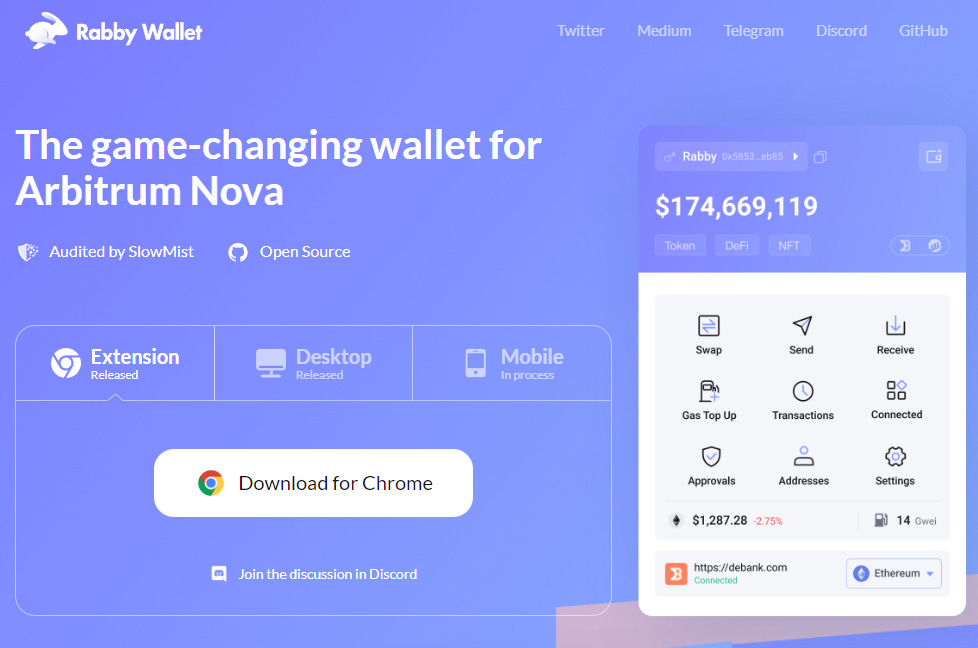
What I Like About Rabby (and What Bugs Me)
Whoa! The permission prompts are a breath of fresh air. They show granular scopes, which means you can approve specific token allowances instead of saying yes to everything. My gut reaction was relief, not paranoia. On the flip side, the permissions UI could be even clearer about allowance expiration; that part bugs me and I wish they’d make expirations more prominent.
Really? The built-in portfolio and token management feel sensible. You can add custom tokens quickly and the network switch is fast enough not to interrupt your flow. Initially I worried about accidental chain-switch confirmations, but Rabby added little guardrails that reduced those slip-ups. I’m not 100% sure every user will understand gas nuances, though—there’s still room for clearer inline help.
Whoa! The multi-account support matters more than I expected. I juggle a cold wallet, a burner account, and a main account; Rabby handled all three without feeling clunky. My instinct said this would be fiddly, but actually it was simple to label and separate accounts. On one hand it’s clean; on the other hand some advanced use-cases need more documentation, which is a gap I noticed repeatedly.
Hmm… the transaction simulation feature is useful. It flags potential failures before you sign, which is a huge quality-of-life improvement for DeFi ops. Initially I thought simulators were gimmicks, but after watching a batched transaction fail and then seeing Rabby warn me, I changed my mind. Actually, wait—let me rephrase that: simulators are not perfect, but they are overwhelmingly helpful on tricky chains where gas quirks can spoil a trade.
Whoa! Something else: integration with Ledger felt smooth in my tests. I connected a hardware wallet and the prompts were clear and direct, not a maze of “confirm on device” screens with ambiguous wording. My working assumption used to be that hardware in extensions is always annoying, though Rabby did better than expected.
Really? I tried a cross-chain swap and it handled the message signing without making me pray to the gods of RPC nodes. There were a few network congestion moments where the UI looked a bit slow, but those are more blockchain problems than wallet problems. On one hand the UX did adapt; though actually sometimes gas estimation overshot, which is a small but persistent frustration.
Whoa! I also liked the token approval manager. It aggregates allowances so you can revoke permissions quickly. My instinct said this would be a cosmetic feature, but it saved me from leaving large approvals open after testing a protocol. Initially I had to search through multiple menus; after a while I found the revoke flow natural and fast enough to keep me disciplined.
Hmm… the mobile companion is decent, but not perfect. I use extensions primarily, and the companion app helps for QR flows, though there are occasional sync quirks. My gut says the team is prioritizing extension polish first, which makes sense, but I do wish they paid more attention to cross-device continuity. I’m not 100% sure the mobile experience will satisfy power users yet.
How Rabby Fits Into a Multi-Chain Workflow
Whoa! Let me be practical here. If you are swapping across chains, bridging assets, or using multiple EVM-compatible networks, Rabby reduces friction by remembering context and grouping permissions. My instinct said this would be niche, but it’s useful nearly every week. Initially I thought I’d only need a single network wallet; then DeFi pulled me into three different ecosystems and I adapted.
Really? The ability to inspect and limit approvals before signing is a small behavior-shaping feature that matters. You stop mindlessly approving everything. On one hand that adds a tiny extra click; on the other hand you avoid potential exploits and accidental drains. I’m biased toward features that force better safety habits, so this part resonates with me.
Whoa! For builders and testers, the dev tools and advanced settings are unobtrusive but accessible. They don’t get in the way of regular users, though they exist for power workflows when needed. Initially I thought they’d clutter the UI, but Rabby hid advanced items behind clear toggles. That design choice helped me keep a tidy workspace without losing capabilities.
Hmm… here’s a subtlety: the wallet’s network list is curated, which keeps things simple, but sometimes you want oddball RPCs for testnets or niche Layer-2s. You can add them, but the discovery could be smoother. My instinct said most people won’t add custom RPCs, but devs and early adopters will, and they deserve an easier path. Something’s very very important here: make developer flows intuitive and documented.
Whoa! I should note — security practices still depend on you, not the wallet alone. Rabby can help you be safer, but it doesn’t eliminate the need for hardware wallets, seed phrase hygiene, or careful dApp vetting. My gut feels strongly about this: wallets are tools, not insurance policies. I’m not 100% sure some users fully internalize that, which worries me sometimes.
Really? If you want to try Rabby, there’s a straightforward way to get started and test without risking funds. I went from zero to connecting a testnet account in under ten minutes, which is a rare win in crypto UX. On one hand that’s encouraging; on the other hand the learning curve for DeFi concepts remains steep and wallet UI can only do so much to flatten it.
Whoa! For folks who want to download and try it, here’s a direct resource where you can find the extension and follow the installation steps: rabby wallet download. My recommendation is simple: start with small test transactions and confirm the flows before moving real funds. I’m biased toward caution—transfer a little first, then ramp up.
FAQ
Is Rabby safe for everyday DeFi use?
Whoa! It has strong safety features like granular approvals and hardware wallet support. Yes, those features reduce common risks, but safety also depends on your habits and on the dApps you connect with. Initially I thought a single wallet decision would solve everything, but actually your operational security and seed management matter just as much.
Does Rabby support Ledger and other hardware wallets?
Really? Yes, Rabby integrates with hardware wallets and the flow is generally smooth, though make sure your device firmware and companion apps are up to date. On one hand the integration feels well thought out; on the other hand you should test a transaction to confirm the prompts look right for your setup.
Can I use Rabby across many EVM-compatible chains?
Whoa! Absolutely—it’s designed for multi-chain usage and it remembers context to make switching less painful. Initially I thought managing many chains would be chaotic, and while it can be if you’re not organized, Rabby’s layout helps reduce cognitive load. Something to keep in mind: custom RPCs are supported, but discovery could be smoother.